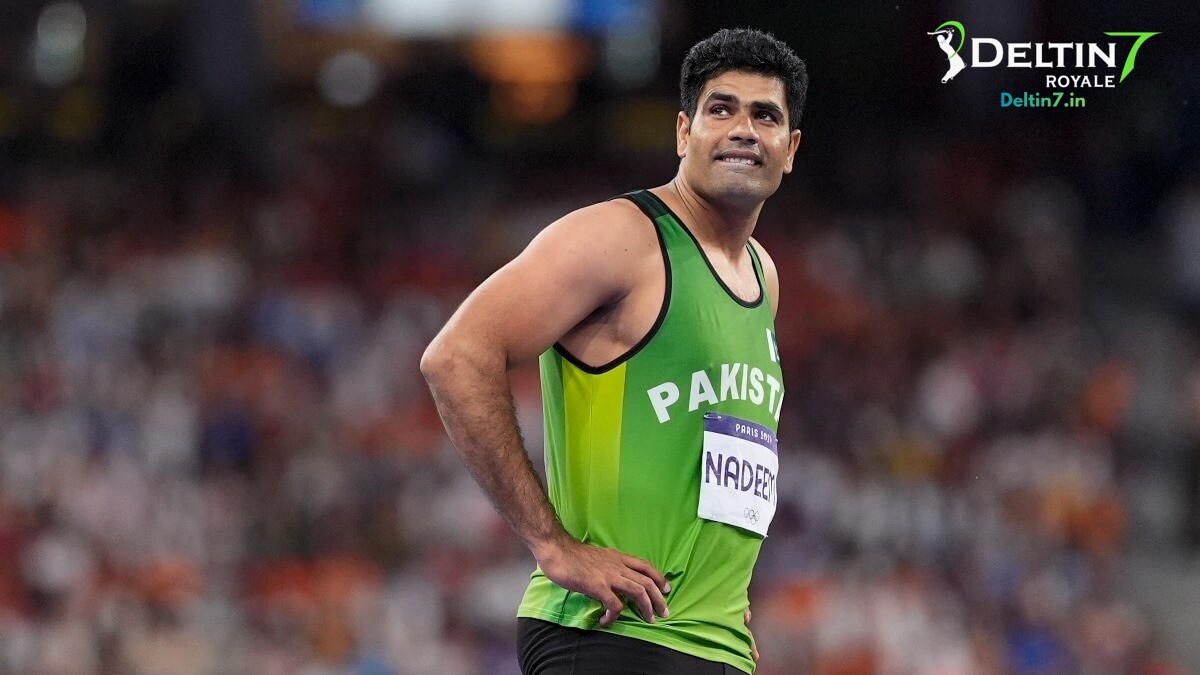
In the high-octane realm of javelin throw, Pakistan’s trailblazing talent Arshad Nadeem found himself in an unexpected spotlight—not for a podium finish, but for falling short of expectations at the 2026 Commonwealth Games. After a season that promised another glittering medal at the international stage, the 26-year-old’s performances in Victoria, Australia, sparked a fierce media backlash back home.
Arshad Nadeem, who etched his name in history by qualifying for the Olympic final in Tokyo, attributed his Commonwealth Games struggle to brutally cold weather and inadequate preparation facilities. “The morning temperatures dipped close to single digits, and I couldn’t acclimatise properly,” he revealed. With no proper warm-up area and limited access to physiotherapy support, the world-class javelin thrower felt physically constrained before even stepping onto the field.
The sharp criticism from Pakistani pundits and headlines labelling his outing a “flop show” has deeply hurt Nadeem. “Every athlete feels pressure, but when words turn harsh and personal, it affects performance even more,” he said. While fans and sports lovers thrive on match excitement, experts warn that intense media scrutiny without balanced perspective can hamper an athlete’s morale and long-term growth.
Indian sports followers know well the journey of Neeraj Chopra, India’s Olympic gold medallist, who has faced his own share of ups and downs. In recent years, Chopra’s resilience has inspired a generation of javelin enthusiasts across South Asia. Arshad Nadeem’s candid reflections now offer a parallel story of perseverance, reminding readers that top-level athletics demands more than raw talent—it requires holistic support and mental strength.
Athlete management experts argue that federations must take note. Adequate indoor training zones, customised warm-up schedules, and on-site medical care are indispensable. While Nadeem acknowledged efforts by his national athletics body, he also stressed the need for a more robust support network: “If we want to compete with the world’s best, facilities and expert teams must be at par.” This call for action resonates with sports associations throughout the region that aim to produce champions in track and field.
For Arshad Nadeem, the Commonwealth setback is a chapter, not the conclusion. He has already outlined a comprehensive winter training plan in warmer climes, focusing on strength, technique and injury prevention. The javelin ace remains determined to reclaim his form, targeting key events on the athletics calendar, including Asian Games and World Championships.
As sports fans in India and Pakistan gear up for upcoming track and field spectacles, platforms offering sports action and online entertainment are brimming with incentives. Fans can earn rewards for engaging with live updates, highlights and athlete interviews, making every throw and sprint an interactive experience.
Arshad Nadeem’s honesty about adversity at the Commonwealth Games 2026 underscores the human side of elite sport. Beyond headlines and media noise, it’s a tale of weathered resolve, federation reforms and fan support that will define the next chapter in his journey—and inspire athletes across the subcontinent.
Ishan Kishan’s brilliant century anchored East Zone’s commanding position on Day 1 of the Duleep…
Former West Indies great Brian Lara urges authorities to ensure top-notch medical care for Imran…
India’s women’s cricket team dismantles Pakistan for just 55 in an Asia Cup T20 clash,…
England pacer Brydon Carse has been left out of the Sri Lanka series to focus…
Cricket Association of Bengal will felicitate fast bowler Mohammed Shami on completing 100 first-class matches…
Pakistan Cricket Board has sent wicketkeeper-batter Mohammad Rizwan and opener Imam-ul-Haq home amid concerns around…