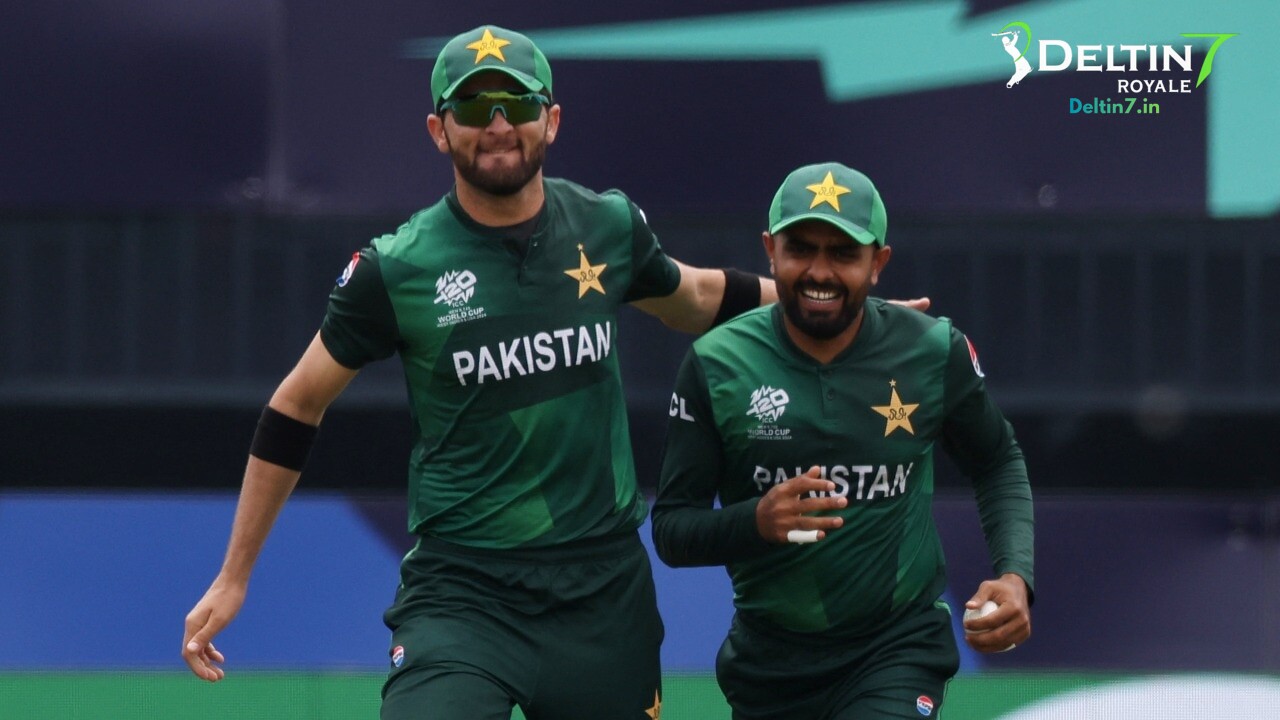
In recent months, the Pakistan cricket setup has faced intense scrutiny over its on-field displays and locker-room atmosphere. Central to this debate is the reported rift between star fast bowler Shaheen Afridi and batting stalwart Babar Azam. While both players boast remarkable individual records, their strained relationship is now being linked to Pakistan’s downturn in performance on the international stage.
Shaheen Afridi and Babar Azam have each been pillars of Pakistan’s cricket ambitions. Afridi’s lethal pace and Babar’s elegant strokeplay once blended seamlessly in white-ball and red-ball formats. However, whispers of a personality clash began surfacing after a high-profile series last year. Observers noted chilly exchanges during practice sessions and reserved body language in the dressing room. Though neither player publicly addressed the rumours, former teammates and insiders suggested that differing approaches to leadership and team strategies were at the heart of the discord.
Cricket experts believe that a breakdown in rapport between senior players can unsettle team unity. Pakistan’s dressing room, once famed for its camaraderie and high spirits, has at times looked fragmented during key moments. Analysts point out that tense training drills, hushed conversations and a lack of on-field celebrations hint at a deeper morale problem. This shift in atmosphere appears to have coincided with a series of unexpected losses against teams ranked below Pakistan.
Pakistan’s recent record shows a worrying trend: bowlers unable to defend modest totals and top-order batsmen faltering against quality attacks. Afridi, who consistently troubled batsmen in the powerplay overs, delivered uncharacteristic spells that lacked his usual zip. Meanwhile, Babar Azam, once touted as a run-machine in chases, has registered a string of low scores in crucial games. Many fans and commentators feel that the duo’s tension seeped into their individual performances, disrupting the synergy vital to match excitement.
Former cricketers and coaches have been vocal about the need to mend bridges. Renowned batting coach Basit Ali urged team management to facilitate open dialogue, describing the situation as a ‘leadership crossroads.’ He believes that prioritising communication workshops and team-building exercises could restore cohesion. Sports pundits also recommend rotating responsibilities—allowing both players to lead different units, whether it’s bowling or batting, to foster mutual respect and accountability.
The cricket-loving public in India and Pakistan has followed the saga with keen interest. Social media trends reflected divided opinions—some fans urged the Pakistan Cricket Board (PCB) to intervene swiftly, while others emphasized giving the duo space to resolve differences organically. Media outlets have spotlighted the issue, suggesting that off-field harmony is often the backbone of on-field success, especially in high-pressure international fixtures.
Moving forward, experts highlight the importance of focusing on collective goals. Concrete steps may include:
The Shaheen Afridi–Babar Azam rift has underscored how personal dynamics can influence a team’s competitive edge. As Pakistan prepares for upcoming multi-format series, restoring harmony between its premier fast bowler and leading batter is crucial. With proactive leadership from the PCB and a willingness to embrace change from both players, Pakistan cricket can look forward to a revival of its once-feared sports action and reignite match excitement for fans across the subcontinent.
Discover India A’s three four-day clashes in Christchurch as they gear up for the New…
Former Pakistan captain Misbah-ul-Haq resigns as national selector after seven players were sent home without…
Australia omit Marnus Labuschagne from their 26-player ODI squad for the upcoming Zimbabwe and South…
Fast bowler Mohammad Amir confirms his Pakistan career is closed and he will continue as…
South Africa faces a major pace crisis after Kagiso Rabada’s injury ahead of the Australia…
Discover how Sri Lanka’s spin attack in Colombo test pushed India to reinvent their batting…