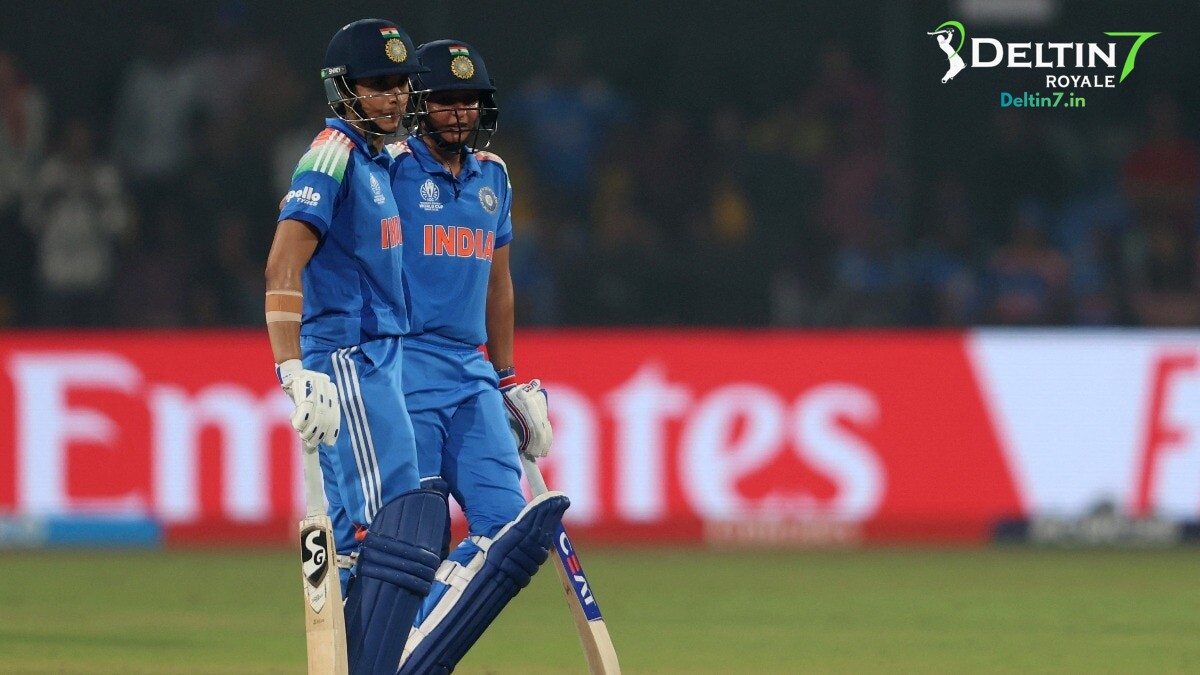
Indian women’s cricket has grown by leaps and bounds over the past decade, with Smriti Mandhana and Harmanpreet Kaur leading the charge as premier batting talents and captains. Mandhana, known for her elegant stroke-play, lifted spirits early on as captain in multi-format tours. Kaur, a powerful hitter and tactical thinker, later took over leadership duties, guiding the team through key T20 World Cups and high-octane series. Both have immense fan followings, making any discussion about a leadership switch headline news among Indian sports action enthusiasts.
According to insider reports, tensions began when selectors hinted at a fresh leadership model post the recent Women’s Premier League (WPL) season. Mandhana, having made significant contributions as an opener and leader, expected to continue steering the side at home. Meanwhile, Kaur, who led in several overseas victories, felt she had earned an extended run as captain. The conflicting aspirations reportedly led to occasional disagreements during training sessions and team meetings, sparking speculation across media and online entertainment portals.
While both stars maintained a professional front publicly, sources reveal occasions when conversations over strategy and batting order grew heated. Mandhana’s preference for a rotational bowling system clashed with Kaur’s emphasis on experience-driven tactics. These strategic divergences, though part of normal team-building, took on greater significance under the leadership microscope.
Whenever leadership questions surface, it can affect squad harmony and match excitement. Some team members reportedly felt caught in the crossfire, unsure whose captaincy vision to fully support. On the field, the side showed flashes of brilliance but also periods of inconsistency, especially in high-pressure run chases. Observers noted a dip in communication between senior players, a factor that can influence field placements and bowling changes.
However, veteran players like Jhulan Goswami and Deepti Sharma stepped in to bridge gaps, using their experience to stabilise dressing-room morale. The coaching staff also implemented extra bonding sessions and tactical workshops to ensure that differing viewpoints bolstered rather than hindered the team’s collective strength.
With a packed international calendar ahead—including the ICC Women’s Champions Trophy and crucial bilateral series—selectors must find a way to harness both Mandhana’s flair and Kaur’s assertiveness. One proposed solution is a dual-leadership model where one captain presides in white-ball formats and the other in Tests. This approach could allow each player to focus on her strengths while providing clearer expectations for teammates.
Experts believe that transparent communication, rotated vice-captain roles, and collaborative strategy sessions will be key to restoring unity. As fans eagerly await top-tier cricket and the rewards that come with championship runs, India’s women stars must set aside personal rivalry in favour of the team’s long-term objectives.
Leadership debates are part and parcel of modern team sports. While the reported friction between Smriti Mandhana and Harmanpreet Kaur garnered headlines, India’s women cricketers have shown resilience in the past. With careful management and a unified mindset, the two powerhouses can reconcile differences, delivering the kind of match excitement that millions of Indian sports lovers have come to expect.
Discover how BCCI president Sourav Ganguly is shaping a roadmap to bring back Rishabh Pant’s…
Discover how VVS Laxman’s active role in BCCI senior selection meetings aims to improve communication,…
India A have announced a dynamic 14-member squad featuring KL Rahul, Yashasvi Jaiswal, and Rishabh…
Discover how the Pakistan Cricket Board’s postponement of new central contracts is impacting players’ preparation,…
Legendary cricketer Sourav Ganguly has been appointed as the head coach of Delhi Capitals ahead…
Mumbai cricket squad for Ranji Trophy opener sees Suryakumar Yadav left out while wicketkeeper-batter Ayush…