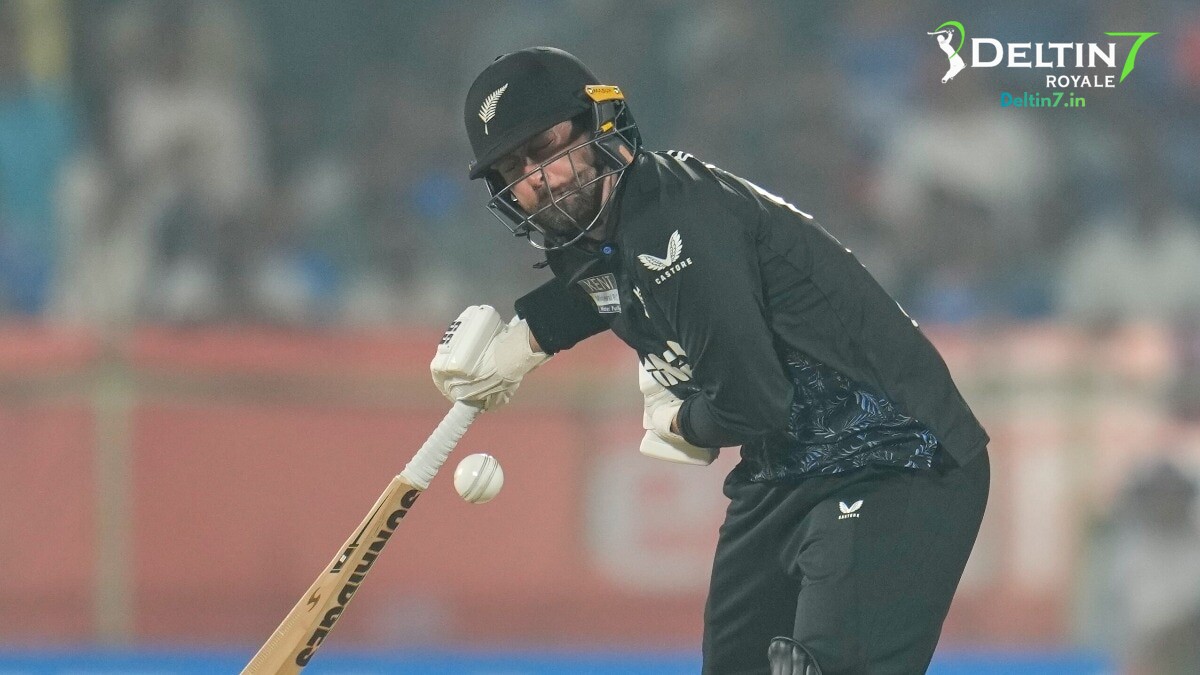
New Zealand have been dealt another untimely setback ahead of their first ODI against India, adding to a worrying list of unavailable players before the series begins. With the squad already stretched, the latest injury concern has made selection even more complicated for the visitors as they prepare for a challenging assignment in Indian conditions.
The timing of the setback is particularly difficult because the opening match of any ODI series often sets the tone for what follows. Against India, that pressure only grows further. The hosts are known for their depth, home advantage and ability to adapt quickly, which means New Zealand will need a settled and balanced XI to stay competitive from the start.
Cricket tours can be demanding, but a cluster of injuries before a major bilateral series can alter team plans significantly. New Zealand’s latest concern means the management may have to rethink combinations, especially in the batting order and bowling unit. Losing experienced names or even one key role player can affect matchups, fielding standards and overall balance.
For a team travelling to India, bench strength becomes just as important as first-choice quality. Conditions can change from one venue to another, and captains often rely on flexible options to respond to spin-friendly surfaces, dew factor, and the demands of long ODI innings. With several players already under injury clouds, New Zealand’s support staff will be under pressure to identify the best available unit.
India enter the series with confidence, and their familiarity with local pitches gives them an important edge. In ODIs, the Indian team usually benefits from strong top-order batting, varied bowling options and a deep squad that can handle last-minute changes. That makes the task even tougher for an injury-hit visiting side.
New Zealand have often been competitive against India in limited-overs cricket, but away tours in Asia bring extra challenges. The first ODI will be a measure not only of skill but also of adaptability. The visitors will need to manage workloads carefully and get early contributions from players stepping into bigger roles.
The final team sheet for the opening ODI could reveal how New Zealand plan to manage their injury concerns. If unavailable players continue to pile up, the side may be forced into changes that affect batting depth, pace support or spin coverage. That kind of disruption can have a direct impact on field placements, bowling rotations and finishing ability.
For India, any uncertainty in the opposition camp could be an advantage, but the hosts will also know that New Zealand remain a disciplined white-ball side when they find rhythm. The key for both teams will be starting well, handling pressure and making the most of the first game’s momentum.
As the first ODI approaches, interest around the contest continues to build. Fans in India will be eager to see how the hosts begin the series, while New Zealand supporters will hope their side can overcome the injury setback and put up a strong fight. The match promises high-quality cricket, tactical battles and plenty of sports action.
With one more setback now added to an already difficult build-up, New Zealand’s challenge has become even steeper. How they respond in the series opener could decide whether the tour starts on a positive note or turns into a long struggle against a strong Indian side.
Shubman Gill has indicated that injured all-rounder Hardik Pandya will feature in domestic cricket before…
Former Pakistan pacer Mohammad Amir has addressed reports linking him to the IPL 2027 mini…
South Africa have made two changes to their Australia series-winning squad for the Bangladesh Test…
Kris Srikkanth has questioned India’s handling of Vaibhav Sooryavanshi, arguing that the young batter needs…
Gautam Gambhir has opened up about the mental strain of coaching India through a packed…
New Zealand pacer Jacob Duffy has praised Virat Kohli’s humble nature at RCB, calling the…