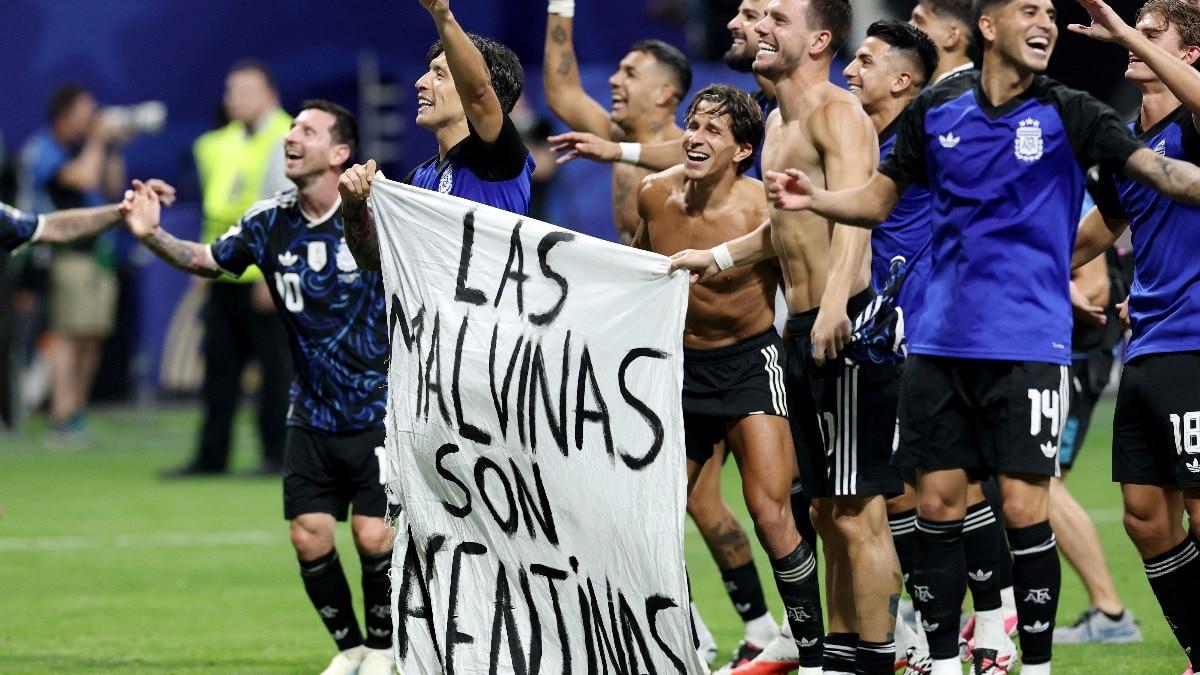
International football has once again intersected with geopolitics after Argentine supporters displayed a banner referencing the disputed Falklands Islands at a recent match. The banner, which read “Las Malvinas son Argentinas” (The Falklands are Argentine), drew swift condemnation from UK authorities and reignited a decades-old territorial dispute that dates back to the 1982 conflict.
In the wake of the display, questions have emerged about whether Argentina’s national team stars might face hurdles securing UK visas for the upcoming Premier League season. Several high-profile Argentines currently feature across top English clubs, including Manchester United, Manchester City, Tottenham Hotspur and Aston Villa. A denial or delay of work permits for these players would mark an unprecedented intervention in club football.
Premier League sides rely heavily on star signings to fuel match excitement and global fan engagement. Clubs are reportedly in close communication with both the UK Home Office and the Football Association to clarify rules around political expressions. While sporting governing bodies often discourage overt political gestures during games, an outright ban on entry could lead to legal challenges and pushback from clubs, fans and sponsors alike.
India’s rapidly growing football community has watched these developments with interest. The English top flight enjoys massive viewership across cable networks and streaming platforms in India, where fans invest time and resources to follow every twist of the title race and relegation battles. Any disruption to lineups featuring Argentine stars would alter the viewing experience and potentially dampen fan engagement.
Among the most prominent names under the microscope are defenders who played key roles in Argentina’s international success. A visa refusal would prevent them from joining pre-season tours, training sessions and opening fixtures—affecting not only their clubs but also the strategic plans laid out by managers preparing for a grueling campaign filled with domestic and European commitments.
British and Argentine diplomats have exchanged formal protests, but both sides appear keen to avoid a full-blown escalation. Meanwhile, fans on social media have taken sides. Some UK supporters argue that holding players accountable for a banner they did not personally display is unfair, while others support tougher measures to deter future political statements in stadiums.
As the new season approaches, clubs are anxiously awaiting guidance. Will Argentine internationals receive clearances in time for the first matchday? Or will some stars have to sit out early fixtures, leaving clubs to reshuffle lineups at short notice? The answers will come in the coming weeks, as visa applications are processed and potential appeals are lodged.
For Indian sports followers, this saga underscores how politics and football can collide, influencing everything from transfer strategies to weekend viewing rituals. Stay tuned for further updates as the Premier League gears up for what promises to be another blockbuster season.
Kevin Pietersen makes a surprising comeback to the England set-up as a specialist white-ball mentor.…
Chennai packed the stands for the Duleep Trophy final, with fans enjoying match excitement and…
Relive Day 2 of the Duleep Trophy Final where Ishan Kishan's remarkable 270-run innings propelled…
Ishan Kishan’s brilliant century anchored East Zone’s commanding position on Day 1 of the Duleep…
Former West Indies great Brian Lara urges authorities to ensure top-notch medical care for Imran…
India’s women’s cricket team dismantles Pakistan for just 55 in an Asia Cup T20 clash,…