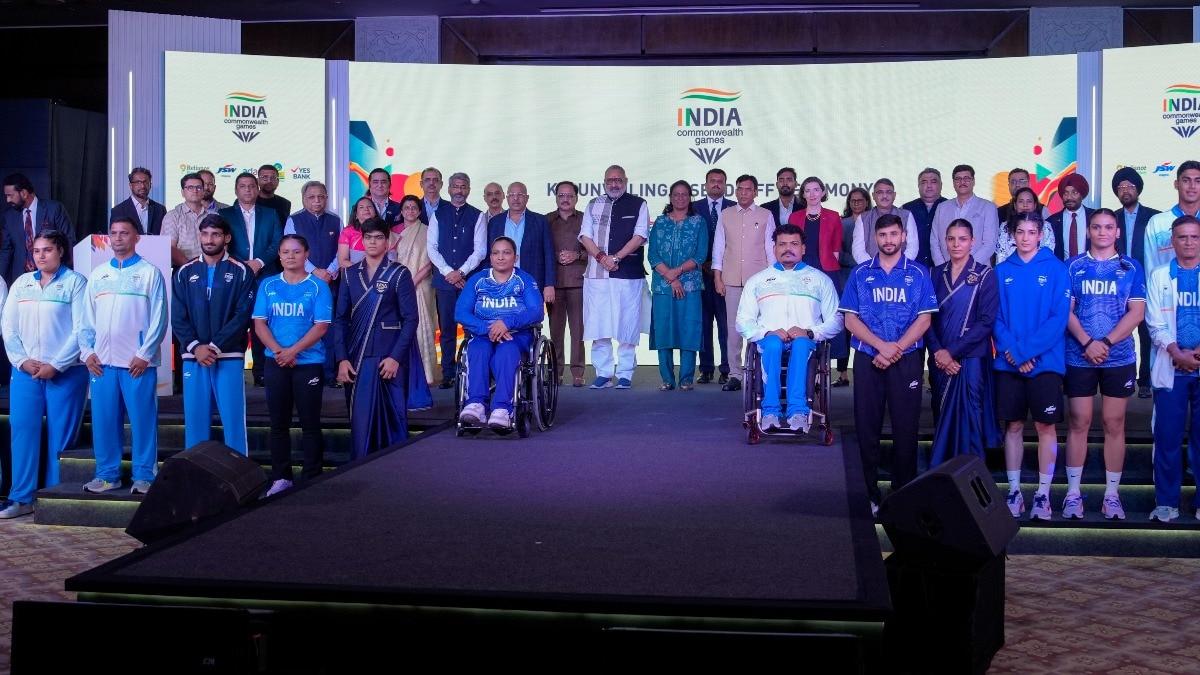
As the countdown to the 2026 Commonwealth Games in Glasgow begins, India’s sports machinery is leaving no stone unturned. The Ministry of Youth Affairs and Sports, alongside the Sports Authority of India (SAI) and respective national federations, has committed over Rs 53 crore to elevate the training environment for athletes across key disciplines. From athletics and boxing to wrestling and weightlifting, this influx of resources aims to deliver polished performances and boost India’s medal tally at the prestigious multi-sport event.
Athletics and boxing have emerged as the highest recipients of grants, reflecting India’s confidence in its track stars and pugilists. State-of-the-art synthetic tracks, high-altitude training camps and access to international competition exposure form the backbone of the athletics programme. Similarly, Indian boxers benefit from upgraded ring facilities, modern conditioning equipment and foreign sparring tours designed to sharpen reflexes and tactical skills.
Central to this funding drive is a robust support staff network. World-class coaches, sports physiotherapists, strength and conditioning experts, and nutritionists have been engaged to tailor training programmes to each athlete’s needs. Advanced biomechanical assessments and data-driven performance analysis help identify areas for improvement, while personalised meal plans ensure optimal energy levels and recovery.
A key feature of India’s preparation strategy is extended training camps both domestically and abroad. High-performance centres in India are operating at full tilt, offering specialized altitude chambers and cryotherapy units. At the same time, selected athletes are travelling to Europe and Africa for competitive tours, gaining invaluable exposure to diverse conditions and elite opponents.
While athletics and boxing top the list, other disciplines have also received significant allocations. Wrestling, weightlifting, shooting, hockey, table tennis and swimming are among the sports benefiting from upgraded infrastructure, target shooting ranges, synthetic turf pitches and advanced aquatic centres. Each federation has developed a tailored roadmap, balancing grassroots development with elite athlete support to maintain a strong pipeline of talent.
The success of these initiatives relies heavily on seamless coordination between national federations and state sports bodies. Workshops and regular review meetings ensure that budgets are utilised efficiently and milestones are met on schedule. This collaborative approach not only strengthens administrative processes but also fosters a unified push towards achieving sporting excellence.
With the final leg of preparations underway, expectations are high that Team India will build on past successes and emerge as a formidable contender at the Glasgow Games. The strategic infusion of over Rs 53 crore is designed to translate into tangible gains—more finals appearances, podium finishes and a spirited display of sports action that will capture the nation’s imagination.
Beyond the immediate target of the Commonwealth Games, this funding model sets a precedent for long-term sports development in India. By investing in cutting-edge facilities, expert manpower and international exposure today, India is well placed to nurture champions for multiple global events in the years ahead. The ripple effect is expected to strengthen grassroots participation and inspire a new generation of athletes to seize every opportunity on the world stage.
Kevin Pietersen makes a surprising comeback to the England set-up as a specialist white-ball mentor.…
Chennai packed the stands for the Duleep Trophy final, with fans enjoying match excitement and…
Relive Day 2 of the Duleep Trophy Final where Ishan Kishan's remarkable 270-run innings propelled…
Ishan Kishan’s brilliant century anchored East Zone’s commanding position on Day 1 of the Duleep…
Former West Indies great Brian Lara urges authorities to ensure top-notch medical care for Imran…
India’s women’s cricket team dismantles Pakistan for just 55 in an Asia Cup T20 clash,…