
SAI’s Innovative Nutrition Strategy for the Asian Games
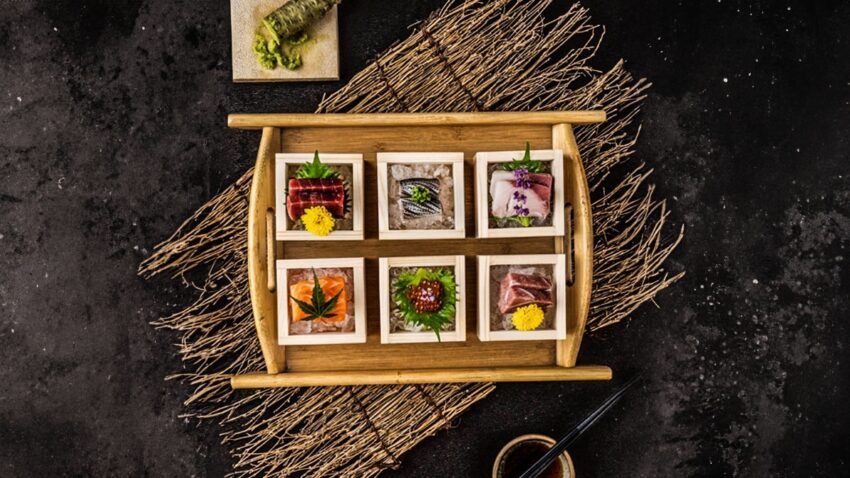
With the Asian Games on the horizon, the Sports Authority of India (SAI) has unveiled a unique approach to help Indian athletes adjust to conditions in Hangzhou. By incorporating authentic Japanese dishes into their training diet, the squad aims to fine-tune both their palates and performance ahead of the marquee event. This culinary initiative marks one of the first times national-level competitors will regularly enjoy Japanese fare during camp sessions in India.
Why Japanese Cuisine Matters for Acclimatisation
Hangzhou’s diverse food culture and local ingredients differ significantly from India’s culinary landscape. To minimise digestive surprises and ensure comfort during competition, SAI nutritionists have introduced staples such as miso soup, sushi rolls, tempura, ramen, and edamame. The focus isn’t just on taste – it’s on balancing proteins, omega-3 fatty acids, and complex carbohydrates. Such a balanced nutrient profile enhances recovery, sustains energy levels, and supports muscle repair.
Menu Highlights and Athlete Feedback
Each training day begins with a Japanese-style breakfast featuring bowls of rice, steamed fish, pickled vegetables, and a light broth. For lunch and dinner, variations include chicken or tofu teriyaki, seaweed salad, and steamed greens. One prominent athlete shared, “Trying sushi and grilled seafood here has been eye-opening. It feels lighter on the stomach, and I’ve noticed less post-workout fatigue.” Another track-and-field competitor noted improved focus during evening sessions after enjoying a bowl of ramen enriched with vegetables and lean protein.
Expert Insights on Performance Benefits
SAI’s head nutritionist explained that Japanese cuisine’s emphasis on fresh ingredients and minimal processing aligns well with sports nutrition best practices. “We’re aiming for meals that are nutrient-dense but not overly heavy. The umami flavor profile also helps maintain appetite, which is crucial when training loads are high.” Additionally, fermented foods like miso and pickles contribute to better gut health – a key factor in immune function and nutrient absorption, especially during intense training periods.
Beyond the Plate: Building Cultural Comfort
Acclimatisation isn’t limited to climate or time zones. Feeling at ease with local customs and food habits can reduce stress and improve mental readiness. To deepen cultural familiarity, SAI has organised Japanese-themed cooking demonstrations and tasting sessions. Athletes learn to roll maki, prepare simple sashimi, and recognise regional ingredients. These interactive workshops foster team bonding and offer insights into the dining etiquette they’ll encounter in China.
Preparing for Hangzhou’s Competitive Arena
With Hangzhou hosting a variety of sports from athletics and shooting to rowing and gymnastics, maintaining peak condition across disciplines is essential. By simulating dining conditions months in advance, SAI aims to eliminate dietary distractions once the athletes arrive on foreign soil. The overarching goal is to let competitors concentrate fully on match excitement and chasing medals, rather than adaptation challenges.
Looking Forward: A Model for Future Events
This culinary experiment is already drawing attention from coaches and sports scientists nationwide. Should it yield positive performance indicators at the upcoming Asian Games, similar protocols could become a staple for athletes preparing for global meets. For now, India’s sporting community watches eagerly as its finest embrace sushi, ramen, and tempura – fuelling both ambition and energy on the road to medal glory.