
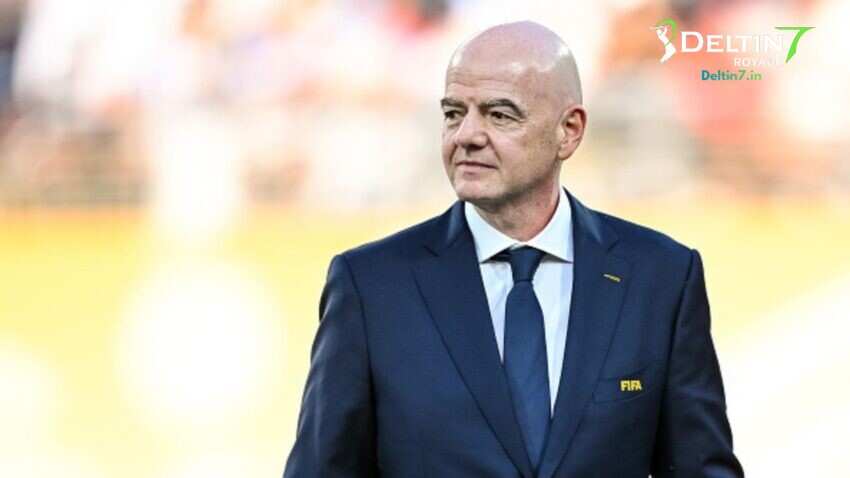
FIFA finds itself at a pivotal crossroads following a bold but ill-fated attempt by President Gianni Infantino to reshape World Cup broadcast and digital distribution. The fallout has sparked criticism from broadcasters, sponsors and football associations alike. As FIFA navigates this turbulence, Indian football enthusiasts and streaming platforms watch closely to understand how the debacle might affect sports action and match excitement in the years to come.
The Failed Rights Strategy
Earlier this summer, Infantino unveiled a plan aimed at centralising the sale of World Cup rights under FIFA’s direct control. The proposal envisioned a uniform package for broadcasters and digital platforms, promising simplified access but also hefty upfront commitments. However, major networks in Europe and North America balked at the financial demands, while emerging markets raised concerns over pricing structures and revenue shares. Within weeks, negotiations stalled and key partners withdrew support, leaving FIFA to retract the scheme amid growing unrest.
Impact on FIFA’s Global Reputation
The collapse of the rights plan has delivered a blow to FIFA’s carefully cultivated image of innovation and unity. Critics argue that the failed initiative exposed governance weaknesses at the organisation’s highest level. With the 2026 World Cup around the corner, stakeholders worry about delayed contractual agreements and potential revenue shortfalls. Industry analysts believe the turmoil could undermine FIFA’s bargaining power in future negotiations, affecting everything from sponsorship deals to grassroots development programmes.
Reactions from Football Stakeholders
Leading football bodies, including national associations and commercial partners, have voiced disappointment over the fiasco. Some European broadcasters described the process as rushed and lacking transparency, while regional confederations questioned whether the centralised model would deliver equitable returns for developing football nations. Meanwhile, sponsors are seeking reassurances on brand visibility and promotional opportunities. Within FIFA’s corridors, calls for an internal review have grown louder as members demand clarity on decision-making procedures.
Implications for Indian Viewers and Streaming Platforms
In India, where football’s popularity is on the rise, fans anticipate seamless access to marquee tournaments. With digital platforms like JioCinema and Disney+ Hotstar investing heavily in online entertainment, a stable rights framework is crucial. The recent setback may lead to delayed announcements on broadcast packages and special rewards offers tied to match excitement. For millions of Indian viewers, the uncertainty raises questions about pricing, commentary options, and interactive features designed to heighten the viewing experience.
What’s Next for FIFA Leadership?
Infantino now faces mounting pressure to win back trust and rebuild consensus ahead of critical leadership elections. Insiders suggest FIFA’s executive committee will convene emergency sessions to refine its commercial strategy and engage more collaboratively with regional bodies. Observers believe any future plan must balance global ambitions with local realities, ensuring that both established markets and emerging regions receive fair treatment. For Indian football stakeholders, the evolving scenario presents an opportunity to press for enhanced broadcast clarity and fan-centric promotions.
As FIFA enters this period of introspection, all eyes will remain on how the organisation restores cohesion and prepares for the next stage of football’s premier event. If lessons are learned and partnerships realigned, Indian sports enthusiasts can look forward to uninterrupted access and engaging sports action on their favourite platforms.